
Cold events and frost are among the most feared climatic phenomena for farmers. A sudden drop in temperature can destroy months of work within hours, affecting not only the crops but also the economy of entire rural communities.
What Is Frost and What Are Its Characteristics?
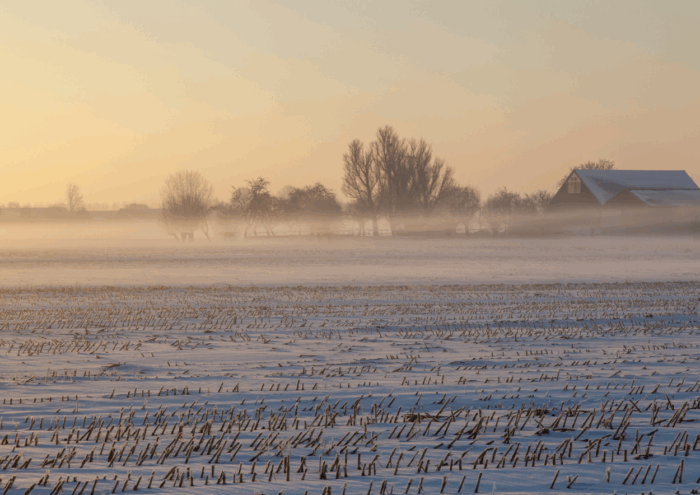
A frost occurs when the air temperature or the temperature of surfaces drops below 0°C, causing the water present in the environment, soil or plant tissues to freeze.
Advection Frost
These occur when a mass of cold air moves into a region, causing sharp and rapid temperature declines. They are usually intense and long-lasting.
The duration, intensity and the moment at which frost occurs determine the degree of damage.
- Early frost can affect flowers and young shoots.
- Late frost can damage developing fruits.
Consequences of Frost and Cold Damage in Agriculture
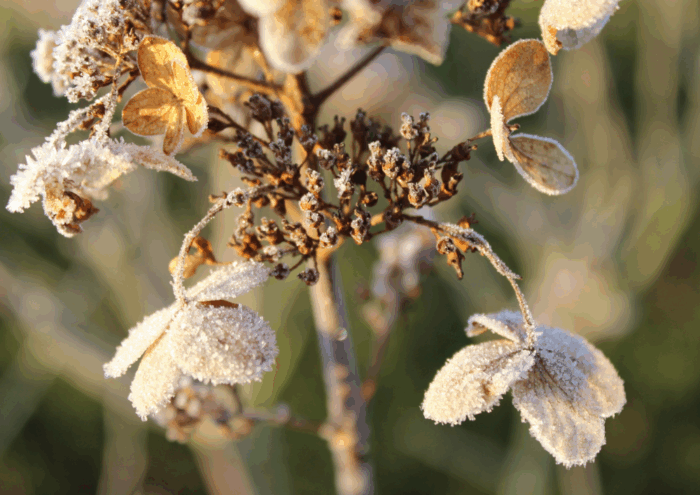
- Physiological Damage to Plants: When the water inside plant tissues freezes, ice crystals rupture the cells, causing dehydration and necrosis. Leaves and flowers may wilt or turn black, and fruits may lose their commercial value.
- Loss of Productivity: A single night of frost can significantly reduce crop yield. In fruit trees, for example, most of the harvest can be lost if flower buds are damaged before pollination.
- Economic Impact: Cold damage results in loss of income, increased replanting costs and reduced product quality. In large agricultural regions, this phenomenon can even influence food prices.
- Effects on Soil and Biodiversity: Severe frost can alter soil structure, reduce microbial activity and affect nutrient availability. It can also disrupt local ecosystems, impacting pollinators and beneficial fauna.
Factors That Influence the Intensity of Frost Damage
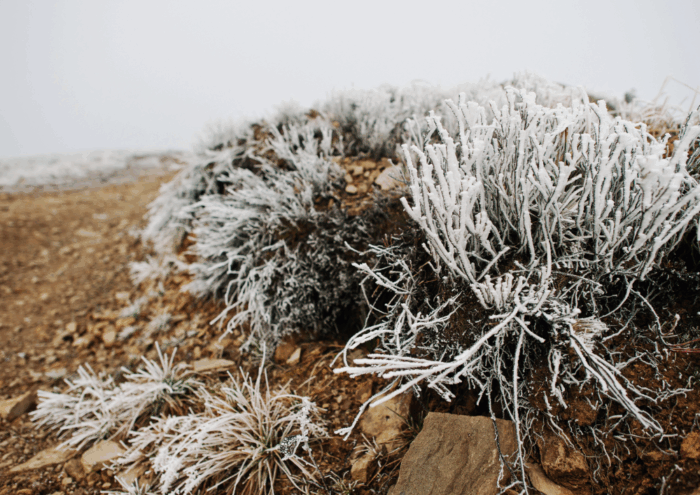
Not all crops or regions respond the same way to frost. Understanding these factors is key to anticipating and implementing proper preventive measures. The main factors that determine the level of damage include:
- Altitude and topography: valleys and low areas tend to accumulate cold air.
- Relative humidity: high humidity can reduce damage because water releases heat when freezing.
- Crop type: fruit trees, vegetables and tropical species are more sensitive.
- Phenological stage: young plants and flowering stages are the most vulnerable.
- Duration of the cold event: the longer the exposure, the greater the accumulated damage.
Frost Prevention Techniques
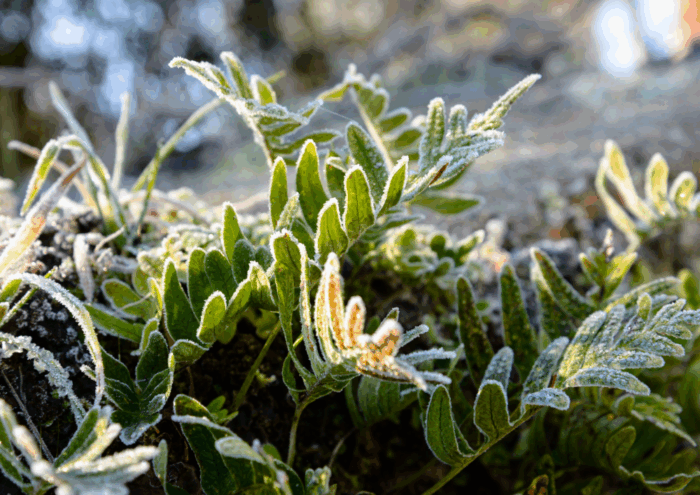
Combining multiple techniques is usually the most effective strategy, depending on crop size and available resources.
- Selection of Resistant Species and Varieties: Choosing crops adapted to the local climate or varieties with higher cold tolerance.
- Soil Management: Maintaining adequate moisture and ground cover helps conserve heat.
- Adjusted Planting Calendar: Selecting planting dates that avoid critical flowering or fruit development stages during frost season.
- Wind Machines or Frost Fans: Used to mix cold air near the ground with warmer upper layers, reducing temperature differentials.
- Heaters or Burners (Greenhouses): Generate warm air currents, though they are more costly and less sustainable.
- Plastic Covers or Low Tunnels: Especially useful for vegetables and small-scale crops.
- Satellite-Based Forecasting Systems: Provide regional information on incoming cold air masses.
- Soil and Crop Temperature Sensors: Help make quick decisions on when to activate protection systems.
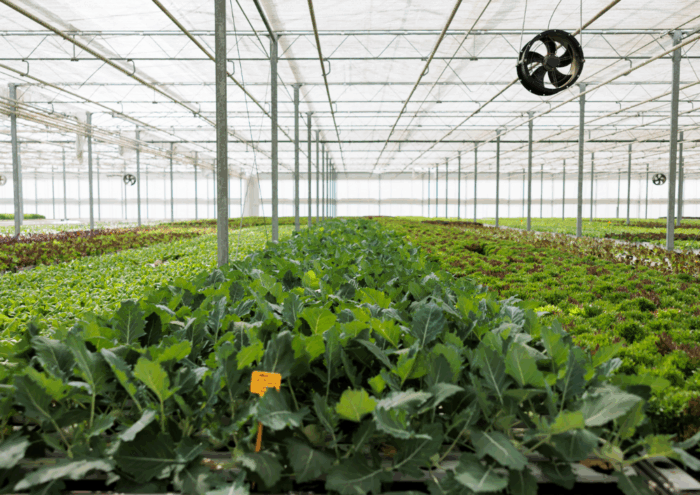
Strategies for Crops During Frost Season
Bio-stimulants used as frost-damage preventives physiologically prepare plants to withstand cold temperatures down to –3°C, acting as a natural “antifreeze” by stimulating metabolic pathways. Even during extreme cold periods, they stimulate the synthesis of proteins, sugars, amino acids and antioxidants.
Below are the bio-stimulants available from Ferti organic to protect crops from extreme climate conditions such as frost.
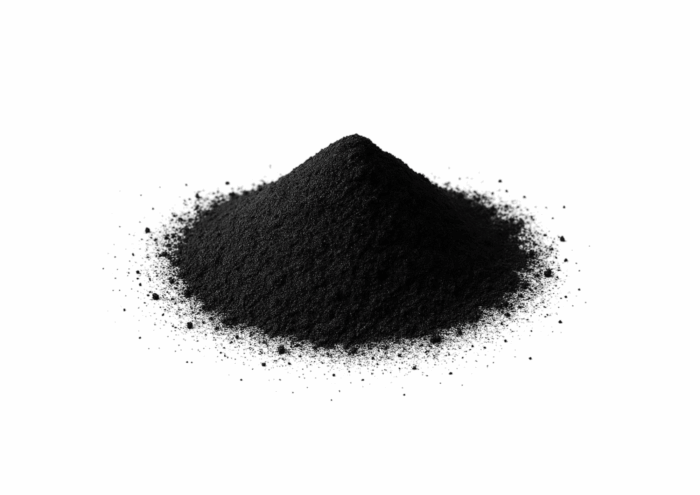
Seaweed Extracts (Ascophyllum nodosum)
- Rich in bioactive compounds that protect crops from frost by improving plant tolerance and reinforcing cell integrity.
- Work as a natural antifreeze, lowering the freezing point of sap through glucose release and strengthening the cell membrane to resist ice-crystal damage.
- Contain mannitol, an antioxidant that blocks reactive oxygen species generated by cold stress.
- Phytohormones such as auxins and cytokinins promote root growth and plant regeneration after stress.
Amino Acids
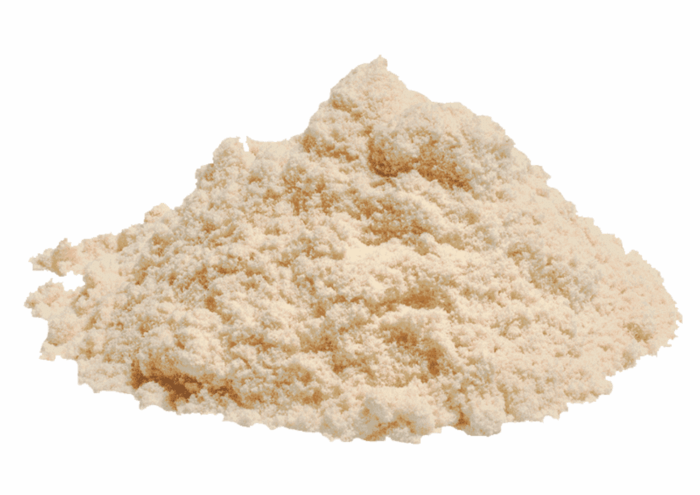
- Contain proline and glycine-betaine, which stabilize water balance and cell membrane structure, improving cold tolerance.
- Promote the accumulation of amino acids and sugars that reduce free water inside cells, preventing ice-crystal formation.
- Provide “pre-digested” energy that plants can use to maintain vital functions and recover more efficiently.
- Help neutralize damaging free radicals produced under cold stress.
- Improve recovery after extreme cold events, enabling plants to continue their growth and production cycle.
Super K
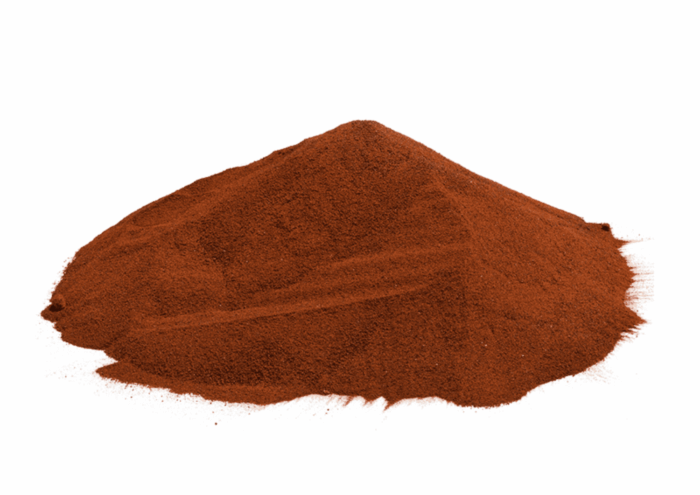
Although Super K is not an antifreeze itself, it enhances the plant’s metabolic functions, granting greater natural resistance to adverse conditions such as low temperatures and mild frost.
- Improves osmotic potential and reduces the cellular freezing point.
- Increases the accumulation of soluble sugars and other compounds that act as natural antifreeze agents.
- Neutralizes free radicals generated by cold stress.
- Helps maintain vital functions more efficiently during stress periods.
- Adequate potassium levels promote stronger cell walls and improved osmotic regulation, helping reduce the freezing point inside plant cells.
When and How to Apply Them
- Application method: foliar.
- Preventive precision window: Apply 32 to 46 hours before a frost event to induce a protective effect that lasts several days.
- Frequency: Weekly preventive applications before frost season and then every 10–15 days while the risk continues.
Application timing depends on weather forecasts, crop vulnerability and the level of frost risk.

Frost and cold events will continue to be unavoidable challenges for agriculture, but with the right combination of knowledge, planning and technology, it is possible to reduce their impact and protect food security. Prevention is always more effective and economical than trying to recover after damage occurs.
Agriculture can be productive and sustainable at the same time. Visit our website and explore our full range of products to discover which one best suits your needs.
Frequently Asked Questions (FAQ)
1. What temperature is considered an agricultural frost?
A frost is considered to occur when the temperature drops below 0°C, although some crops may be damaged even at slightly higher temperatures.
2. Which crops are most susceptible to frost?
Fruit trees, vegetables, and tropical species tend to be the most vulnerable, especially during budding or flowering stages.
3. How can I know if a frost is approaching?
Using weather stations, temperature sensors, and satellite forecasts allows growers to anticipate frost events several hours in advance.
4. Do biostimulants replace traditional protection methods?
They do not replace them, but they do complement them. Their effect is preventive and physiological, so they are recommended to be combined with nutrients aimed at strengthening and nourishing plants under adverse environmental conditions.
5. How many preventive applications are recommended?
It depends on the climate and the crop. Applications can be made when approximate weather conditions are known. To prevent irreversible damage, weekly applications are generally performed before the season or before adverse environmental conditions occur. In case of damage or crop stress, apply within the first three days and continue with weekly applications for recovery. In situations with risk but no direct damage, applications every 7–10 days are recommended as long as the risk persists.



 (956) 574-8280
 info@ferti-organic.com