
Mulching is an agricultural practice that involves covering the soil surface with organic or inorganic materials to improve its physical and biological conditions. Its use has increased in recent decades thanks to the benefits it offers in water conservation, soil protection, and improved crop performance.
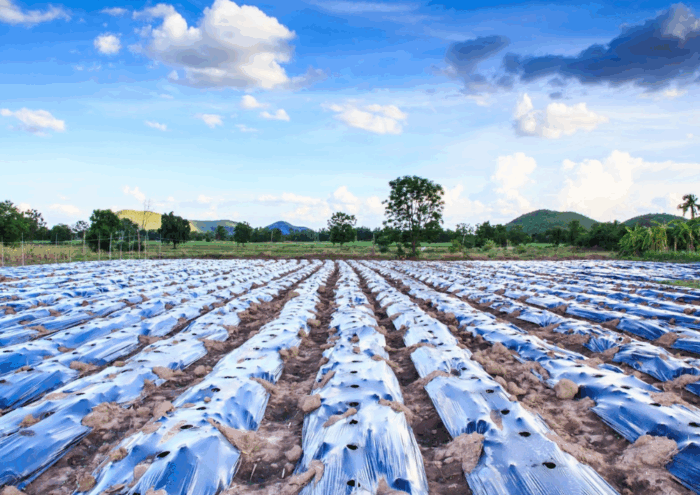
Characteristics of Mulching
Mulching stands out for its ability to modify the soil’s microenvironment. In general, this technique addresses multiple agronomic and environmental needs: it helps regulate temperature, reduce moisture loss, and protect the soil’s physical structure. Additionally, when organic materials are used, it promotes microbial life and contributes to more fertile soil. At the same time, it helps reduce weed competition and decreases the need for herbicides. These characteristics make mulching a versatile tool that can adapt to various crops and climates.
Some key functions of mulching include:
- Creating a protective layer that insulates the soil surface
- Reducing evaporation and maintaining moisture
- Minimizing wind and water erosion
- Stimulating biological activity in the soil
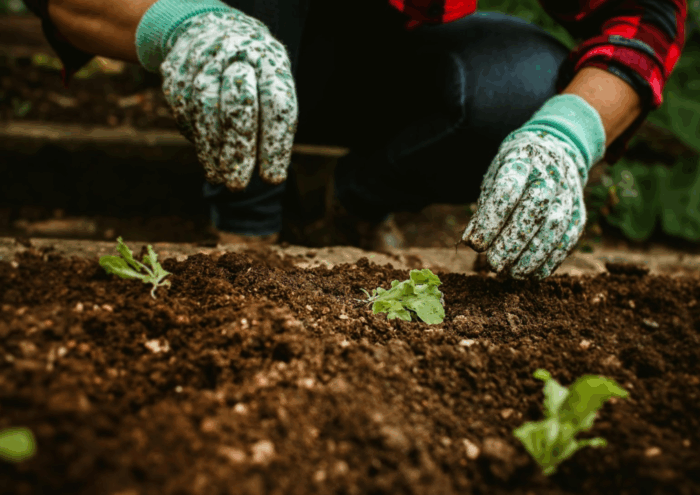
Benefits of Mulching
Mulching provides both immediate and long-term advantages. One of the most valued benefits is the reduction in water consumption thanks to decreased evaporation. It also creates better growing conditions by maintaining a stable microclimate free from abrupt changes.
Its most notable benefits include:
- Water savings: Plants use available moisture more efficiently.
- Weed control: Reduces the need for mechanical or chemical interventions.
- Sanitary protection: Lowers the incidence of diseases caused by soil splashing onto leaves.
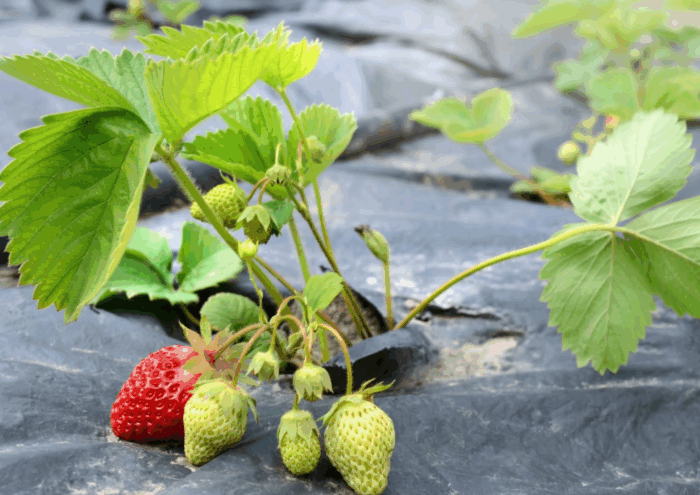
- Improved fruit quality: Keeps agricultural products clean and protected by preventing direct contact with the soil, improving both safety and appearance.
- Soil protection: Enhances thermal stability, root nutrition and irrigation efficiency, and stimulates the microbiome and root system.
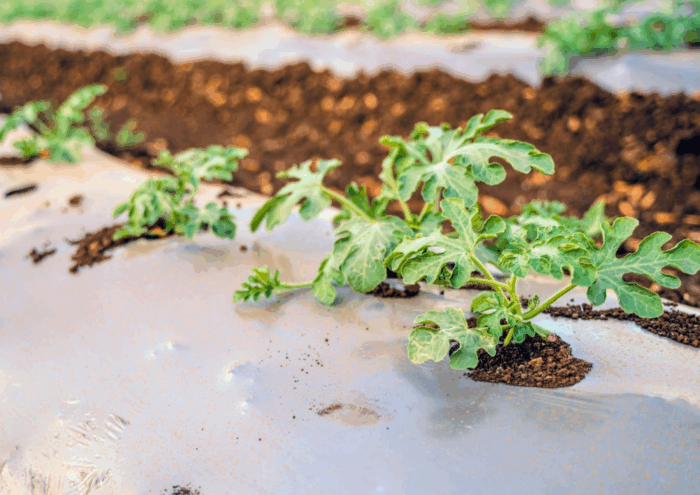
Types of Mulching
There are several types of mulch, each suited to specific needs. Organic mulches—such as straw or dry leaves—tend to improve soil fertility over time as they decompose. In contrast, inorganic mulches—such as agricultural plastics—focus primarily on weed control and long-lasting durability.
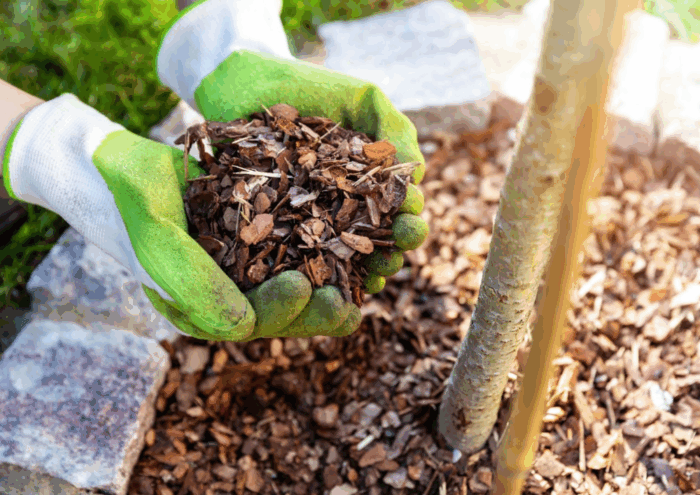
1. Organic Mulches
- Straw and dry leaves
- Crop residues
- Compost or aged manure
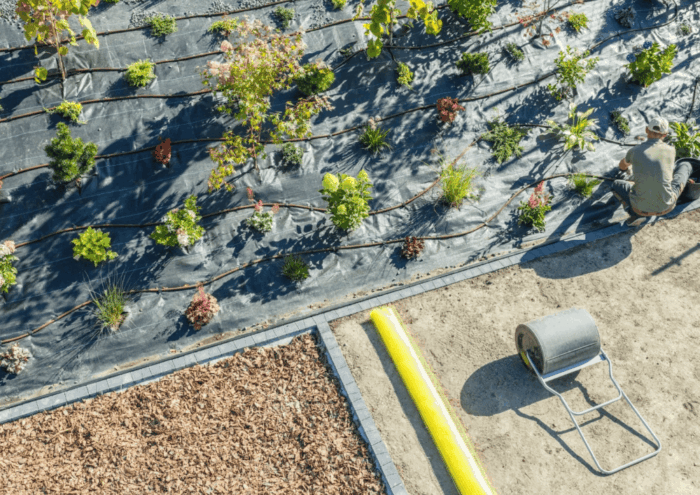
- Wood chips or bark
Advantages: Improve soil fertility and promote microbial activity. They decompose quickly, becoming part of the soil as organic matter.
Disadvantages: Require frequent replenishment due to their rapid decomposition.
2. Inorganic Mulches
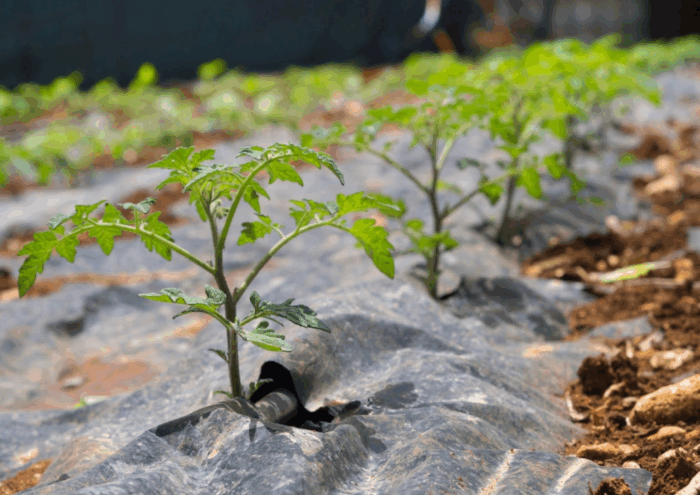
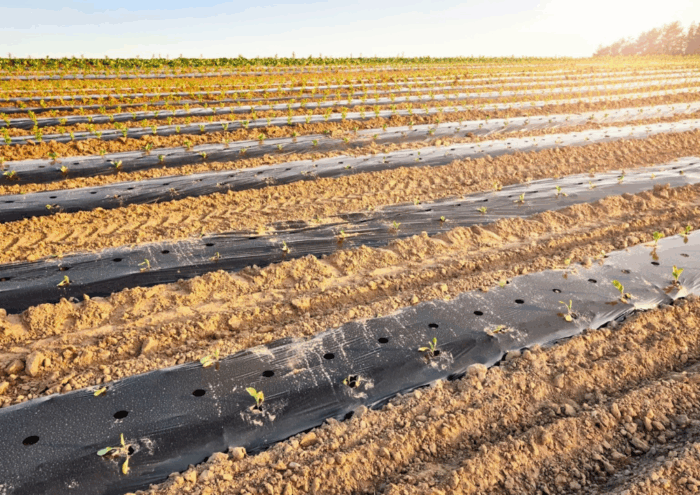
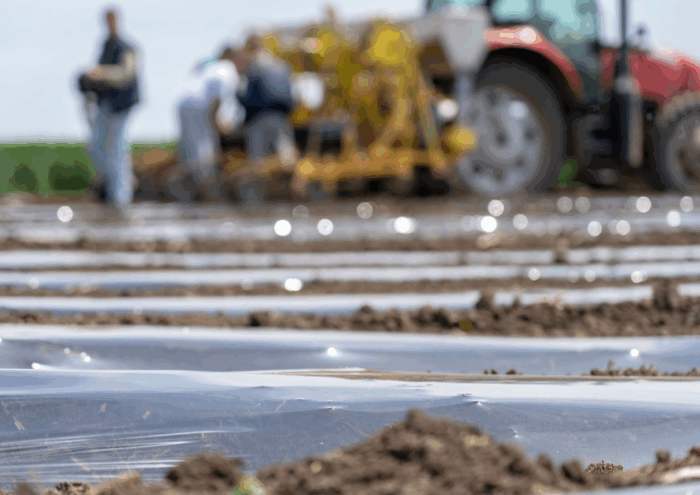
- Agricultural plastics (black, silver-black, biodegradable)
- Mesh or geotextiles
- Gravel or stone
Advantages: Greater durability and effective weed control.
Disadvantages: May degrade under certain extreme weather conditions.
3. Biodegradable Mulches
- Plant-based plastics
- Compostable films
Advantages: Combine the benefits of plastic mulches with environmental sustainability.
Disadvantages: May degrade more quickly due to their composition.
Complementary Methods to Mulching
Mulching can be combined with various agricultural practices to enhance its benefits and achieve more comprehensive crop management. Its ability to conserve moisture, improve the microclimate, and protect the soil makes it an excellent complement to other systems.
Methods that work well alongside mulching:
- Drip irrigation: Both systems optimize water use and deliver it directly to the root zone.
- Organic fertilization: Mulch decomposition enhances the release of nutrients from natural fertilizers.
- Cover crops: Prepare and improve soil structure before mulch installation.
- Biological pest control: Creates more stable conditions that support beneficial organisms.
Integrating mulching with these practices results in a more efficient, sustainable, and resilient production system capable of better withstanding adverse environmental factors.
How to Maximize Mulching in Plant Nutrition
Applying biostimulants through fertigation in mulched soil is a highly effective practice, as both fertilization and biostimulation are fully utilized, resulting in a more abundant root system with improved nutrient absorption.
The use of humic acids, fulvic acids, and microorganisms such as mycorrhizae enhances the soil’s beneficial properties, including its microbiome and available organic matter. Because nutritional applications delivered through irrigation—especially drip irrigation—are the best alternative to optimize, channel, and deliver essential elements directly to the roots beneath the mulch layer, this system ensures maximum utilization.
With the controlled conditions provided by mulching, whether plastic or organic, growers can achieve better plant quality and, consequently, improved fruit production.
To learn more about our products and their available presentations, visit: https://www.ferti-organic.com/products
When Should Mulching Be Used?
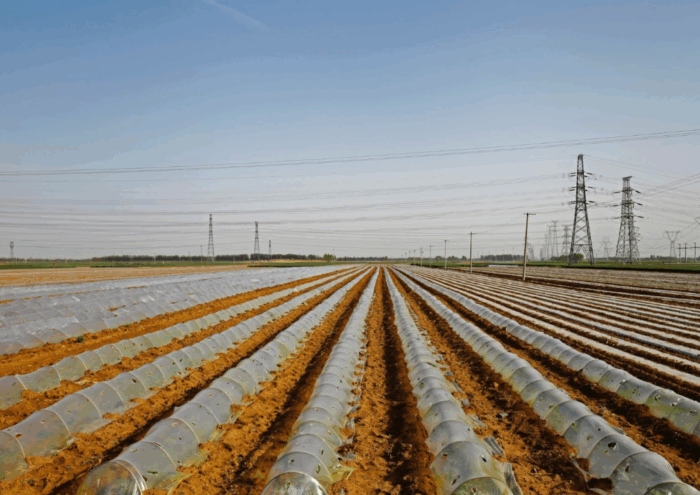
The ideal time to apply mulch depends on the crop and climatic conditions. In most cases, it is recommended to install it before sowing or transplanting in order to prepare the soil and stabilize its environment. It is also useful at the beginning of the dry season, when moisture retention becomes essential.
Best Times of the Year to Use Mulch
In general, each season offers different opportunities to take advantage of its benefits. For example, in spring, mulching helps increase soil temperature and accelerate germination, while in summer it becomes a key ally for conserving moisture.
Main uses by season:
- Spring: Supports germination and early crop establishment.
- Summer: Reduces water loss through evaporation and protects soil and roots from heat and solar radiation.
- Fall: Facilitates the decomposition of organic materials, enriching the soil for the next cycle.
- Winter: Acts as an insulator, protecting roots from frost.
Using mulch at specific times of the year allows the soil to maintain thermal balance and helps crops better withstand climatic challenges.
Tips for Effective Mulching
Although mulching is simple to apply, certain practices can significantly improve its results. It is important to properly prepare the soil, remove existing weeds, and level the surface. Additionally, the choice of material will depend on the primary goal—whether it is weed control, moisture conservation, or crop protection.
Useful tips:
- Avoid applying overly thick layers of organic mulch to prevent excess moisture.
- Secure the edges of the material so the wind cannot lift or move it.
- Check soil moisture regularly.
- Replenish organic material as it decomposes.
In conclusion, mulching is a fundamental technique in modern agriculture, as it significantly contributes to water conservation, soil protection, and improved crop performance. Its versatility allows it to be adapted to different conditions and production systems, making it an essential tool for growers seeking sustainability and efficiency. With proper use and the right choice of materials, mulching can make a meaningful difference in crop productivity and overall plant health.
Frequently Asked Questions
- What is agricultural mulching and what is it used for in crops?
Mulching is a technique that covers the soil surface with organic or inorganic materials. It helps conserve moisture, reduce weeds, protect the soil, and maintain more stable temperatures, promoting crop development.
- When is mulching recommended in a crop?
Ideally, it should be applied before sowing or transplanting to prepare the soil and stabilize its microenvironment. It is also recommended at the beginning of the dry season to prevent water loss through evaporation.
- How does mulching affect soil temperature?
It regulates and stabilizes temperature. In spring, it supports germination; in summer, it prevents overheating; and in winter, it protects roots from frost.
- What materials are used for agricultural mulching?
You can use organic materials (straw, leaves, crop residues, compost) or inorganic ones (agricultural plastics, mesh, geotextiles).
- What are the advantages of using biodegradable mulches?
They are a sustainable alternative that combines weed control and moisture conservation with the benefit of naturally decomposing. They work especially well in short production cycles.



 (956) 574-8280
 info@ferti-organic.com