
The global agricultural input market continues to face ongoing supply chain challenges. Temporary shortages of 45% and 60% amino acid formulations have created the need for reliable alternatives that allow growers to maintain crop performance without disrupting their nutritional programs.
Rather than serving as a temporary replacement, 80% Amino Acids provide a technically equivalent and operationally superior solution that helps optimize plant biostimulation and crop nutrition programs.
Enzymatic Hydrolysis vs. Acid Hydrolysis
To understand why these products deliver comparable agronomic performance, it is important to examine how they are produced.
All three concentrations originate from the same plant-based raw material: soy protein. The primary difference lies in the hydrolysis process used during manufacturing.
45% and 60% Amino Acids
These products are generally produced through acid hydrolysis.
80% Amino Acids
80% Amino Acids are produced through enzymatic hydrolysis, a more advanced manufacturing process that offers several advantages:
- Cleaner and more controlled production.
- Higher purity in the final product.
- Greater availability of amino acids for plant uptake.
Because all three products share the same plant-based source, their essential amino acid profile remains highly comparable, allowing crops to receive the same metabolic stimulation.
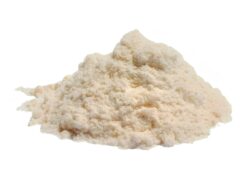
80% Amino Acids: What Changes and What Stays the Same?
Whether transitioning temporarily or permanently to an 80% amino acid formulation, it is important to understand how it performs under field conditions.
What Stays the Same
Mode of Action
Plants respond to the amount of bioavailable amino acids, not simply to the product concentration. Since all formulations contain the same essential amino acids, they deliver the same physiological and metabolic response.
Full Compatibility
80% Amino Acids maintain the same compatibility with commonly used agricultural inputs, including:
- Fertilizers
- Biostimulants
- Beneficial soil microorganisms
Application Timing
They can be applied during the same critical crop growth stages and under the same environmental stress conditions as 45% and 60% amino acid formulations.
What Changes?
Lower Application Rate
Because the product is more concentrated, less material is required per acre or hectare to provide the same amount of functional amino acids.
Higher Solubility
The higher purity achieved through enzymatic hydrolysis provides several operational advantages:
- Faster initial solubility
- Lower inert solids content
- Easier preparation in spray and mixing tanks
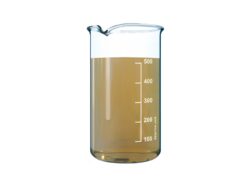
Operational Advantages of 80% Amino Acids
The 80% concentration offers immediate operational benefits for both growers and distributors.
Greater Efficiency in Transportation and Storage
Since lower application rates are required, the total product volume needed for transportation, handling, and storage is significantly reduced.
Continuity in Crop Nutrition Programs
80% Amino Acids allow growers to maintain their biostimulation and crop nutrition programs even during temporary shortages of 45% and 60% formulations.
Improved Plant Energy Efficiency
Amino acids reduce the amount of energy plants would otherwise spend converting nitrogen into usable compounds.
Thanks to their higher purity and concentration, they:
- Are rapidly absorbed by the plant.
- Promote faster recovery after stress.
- Help crops cope with frost, drought, high temperatures, and flooding.

Physiological Effects of 80% Amino Acids
A crop’s physiological response depends on the profile and availability of the amino acids it receives. Each amino acid plays a specific role in plant metabolism, growth, and stress tolerance.
Proline
Acts as a natural defense mechanism that helps plants tolerate water and heat stress.
Glycine and Glutamic Acid
These amino acids are involved in several essential physiological processes, including:
- Chlorophyll synthesis
- Photosynthesis.
- Efficient nitrogen metabolism
Arginine
Arginine plays an important role in:
- Cell division
- Root development
Tryptophan and Methionine
Tryptophan and methionine serve as natural precursors of important plant hormones, including:
- Auxins.
- Ethylene.
These hormones regulate key stages of crop development such as:
- Vegetative growth
- Flowering
- Fruit set
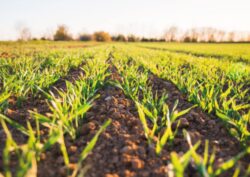
Recommendations for Using 80% Amino Acids
To maximize the benefits of this high-concentration formulation, consider the following recommendations.
Adjust the Application Rate
Since 80% Amino Acids contain a higher concentration of active ingredients, application rates should be adjusted accordingly. Consult your technical advisor to calculate the appropriate conversion for your nutrition program.
Keep in mind that 80% Amino Acids are:
- 20% more concentrated than 60% formulations.
- 35% more concentrated than 45% formulations.
As a result, lower application rates are required to achieve the same physiological response.
Take Advantage of Their Protective Effect
Amino acids help plants conserve energy while reducing the impact of environmental stress, including:
- Drought
- Frost.
- High temperatures
- Biotic stress
When applied together with macro- and micronutrients, they improve nutrient uptake and promote more efficient nutrient utilization where the plant needs it most.
Combine with Beneficial Microorganisms
For soil applications, amino acids can be integrated with beneficial microorganisms to encourage the establishment of:
- Plant growth-promoting fungi
- Beneficial rhizosphere bacteria
This combination also contributes to creating a healthier root-zone environment, supporting long-term soil biological activity and crop performance.
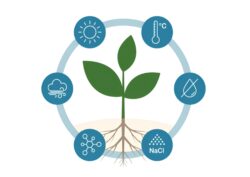
Conclusion
A temporary shortage of 45% and 60% amino acid formulations should not become a limitation to agricultural productivity.
Transitioning to 80% Amino Acids produced through enzymatic hydrolysis provides a technically equivalent alternative that preserves the nutritional benefits in the field while offering additional advantages related to product purity, logistics, and operational efficiency.
Incorporating this formulation helps maintain the continuity of plant nutrition programs while optimizing handling, storage, and application processes.
Agriculture can be both more productive and more sustainable. Visit our website to explore our complete product portfolio and discover the solution that best fits your needs: https://ferti-organic.com




 (956) 574-8280
 info@ferti-organic.com