
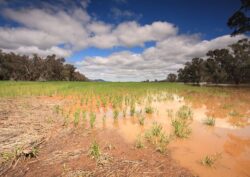
Floods represent one of the most drastic challenges for modern agriculture, not only because of their capacity for immediate physical destruction, but also because of the silent metabolic collapse they cause. Far from being simply an excess of water, prolonged water accumulation triggers a multifaceted crisis involving chemical and physical changes in the soil, root suffocation, the appearance of fungal and bacterial diseases, and the direct interruption of the farmer’s economic activity.
Crop Damage: What Happens to the Soil and the Plant?
To restore a damaged crop, we must first understand what we are fighting against. The damage can be divided into two fronts: the soil and the plant.
- Impact on the soil: When the soil becomes saturated, the air is displaced. This results in hypoxia (low oxygen concentration) or anoxia (complete absence of oxygen).
- Loss of soil structure: The impact of water and surface runoff compacts the soil and destroys soil aggregates, creating a surface crust that, once it dries, prevents future aeration.
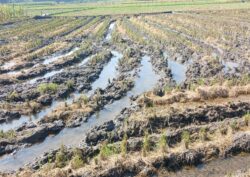
- Nutrient leaching: Mobile nutrients such as nitrogen (in the form of nitrates), potassium, and sulfur are “washed” into deeper soil layers, leaving the crop in a state of sudden starvation.
- Alteration of the soil microbiota: Beneficial aerobic microorganisms die, giving way to anaerobic bacteria that may produce toxic substances such as hydrogen sulfide.
- Fungal and bacterial diseases: Excess water displaces oxygen from the soil, causing anoxia. This weakens the roots and promotes the proliferation of pathogenic fungi and bacteria that destroy the root system.
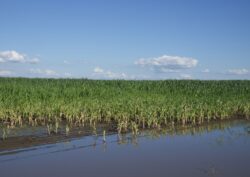
Impact on the plant
The root is the plant’s metabolic brain. When it can no longer breathe, it triggers a cascade of negative effects:
- Interruption of transport: The plant closes its stomata to prevent water loss (even though it is surrounded by water), bringing photosynthesis to a halt.
- Ethylene production: Water stress caused by flooding triggers ethylene synthesis, resulting in the drop of leaves (defoliation), flowers, and fruit.
- Root death: The finest roots, responsible for water and nutrient absorption, are the first to rot, opening the door to pathogens such as Phytophthora and Pythium.
- Damage caused by Plant pathogens: Excess moisture creates the perfect anaerobic environment for fungi (such as Phytophthora, Rhizoctonia, or Fusarium) and bacteria (such as Erwinia, Pseudomonas, or Xanthomonas). This leads to rot, wilting, yellow leaves, and necrotic spots.
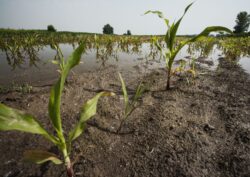
Soil Recovery Strategies
Soil recovery should be addressed from three dimensions: physical, chemical, and biological. A plant cannot be properly nourished if the environment in which it grows has lost its capacity for gas exchange and nutrient movement.
1. Physical Restoration and Aeration
The objective is to eliminate compaction and the surface sealing that suffocates the roots:
- Sediment removal: Mechanically break up or remove deposited sediment as soon as the soil has reached the appropriate moisture content for tillage, allowing oxygen to enter the soil.
- Decompaction: Avoid using heavy machinery on saturated soils. Once the soil has drained adequately, use subsoilers or minimum tillage to fracture compacted layers and facilitate deep drainage.

2. Chemical Stabilization
The objective is to eliminate phytotoxic compounds and restore the pH balance altered by oxygen deficiency:
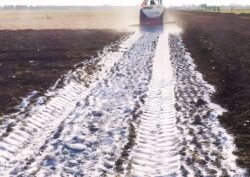
- Excess salts: When floodwaters contain salts, evaporation leaves salt crusts that can damage the roots. Applying agricultural gypsum (calcium sulfate) is necessary to displace sodium and facilitate its leaching through deep irrigation.
- Calcium amendments: Apply agricultural gypsum or calcium carbonate to correct temporary soil acidity and improve soil structure by promoting clay flocculation.
3. Biological Reactivation
Restoring the aerobic microorganisms eliminated by flooding is essential:
- Beneficial inoculation: Apply strains of Bacillus, Trichoderma, and plant growth-promoting rhizobacteria (PGPR) to stimulate the development of healthy new roots, help prevent pathogen establishment, and promote plant growth.
- Humic and fulvic acids: Apply humic and fulvic acids to restore soil aggregates, protect newly developing roots during soil stabilization, and contribute to improved soil structure.
To learn more about our humic and fulvic acid products, please visit: https://www.ferti-organic.com/products

4. Drainage Management
- Infrastructure optimization: Clean drainage channels and, if necessary, install subsurface drainage systems (perforated drainage pipes) in low-lying areas. Efficient drainage can accelerate soil recovery by up to twofold.
The Role of Biostimulants in Recovering Flood-Damaged Crops
This is where organic technology makes a difference. After flooding, plants lack the energy required to carry out complex metabolic processes.
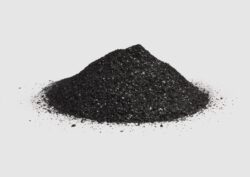
Soluble Seaweed Extract (Ascophyllum nodosum)
Soluble seaweed extract is rich in naturally occurring plant hormones (cytokinins, auxins, and gibberellins) as well as betaines.
- Anti-stress effect: Helps plants maintain osmotic balance and gradually reopen their stomata.
- Root reactivation: The naturally occurring plant hormones stimulate the formation of new root hairs to replace those lost due to anoxia.
- Antioxidant activity: Improves the plant’s response to oxidative stress through a complex defense system, helping protect crops from stress caused by these abiotic factors.
Amino Acid Compound
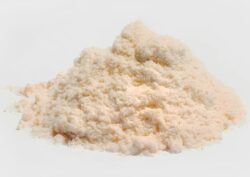
Applying amino acids is like giving the crop a direct “energy transfusion.”
- Energy savings: Under normal conditions, plants expend a significant amount of energy converting nitrogen into amino acids. After flooding, their capacity to synthesize amino acids is greatly reduced. When applied as a foliar spray or root application, amino acids are readily absorbed and immediately used to repair damaged tissues.
- Chelating action: Amino acids facilitate the uptake of the limited micronutrients remaining in the soil, helping restore the plant’s ability to produce chlorophyll through photosynthesis and promoting a faster, more effective recovery.
Other Critical Considerations for Growers
- Plant disease management: Excess moisture provides ideal conditions for fungal development. Preventive applications of systemic or biological fungicides (Trichoderma spp.) are essential once floodwater levels have receded.
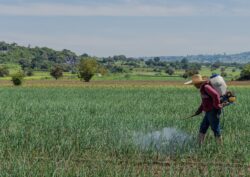
- Foliar fertilization: Since the roots are damaged, foliar application is the only efficient way to nourish the plant during the first 7–10 days after flooding. Prioritize phosphorus (for energy production and root development) and potassium (for water regulation).
- No immediate pruning: Even if yellow leaves are visible, avoid severe pruning immediately. Wait to see where new shoots emerge before assessing which tissues are actually dead.
In conclusion, the recovery of a flooded crop is a race against time. The combination of physical soil management (drainage and aeration) with a strategic biostimulation program based on seaweed extracts and amino acids can reduce losses by up to 60%. The key is to act as soon as the soil allows access, treating the plant not as a healthy organism, but as a patient in intensive care that requires direct metabolic support.
Agriculture can be more productive and sustainable at the same time. Visit our website and learn about our product range. Discover which one best fits your needs: https://www.ferti-organic.com/
Frequently Asked Questions About Crop Recovery After Flooding
What should be done immediately after a flood in a crop?
The first step is to wait until the water recedes and assess the level of damage to the soil and plants. Afterwards, it is important to restore drainage, remove sediments when the soil has reached the appropriate moisture level, and avoid the use of heavy machinery to prevent increasing compaction.
How long does it take for a crop to recover after flooding?
Recovery time depends on the type of crop, the duration of the flooding, and the level of root damage. If aeration strategies, soil rehabilitation, plant health management, and biostimulation are implemented, recovery can be significantly accelerated.
Why are roots damaged during flooding?
When soil remains saturated with water, oxygen disappears and roots stop respiring. This condition causes anoxia, the death of fine roots, and favors the development of pathogens such as Phytophthora, Pythium, and Fusarium.
Which nutrients are lost most easily during flooding?
The nutrients most susceptible to leaching are nitrogen (mainly in the form of nitrates), potassium, and sulfur. These losses can affect crop growth and development if an adequate nutrition plan is not implemented.
When is it recommended to apply biostimulants after flooding?
Biostimulants can be applied once the water has drained and the crop begins to recover. Products based on seaweed extracts, amino acids, and humic or fulvic acids help reduce stress, stimulate the growth of new roots, and promote the plant’s metabolic recovery.



 (956) 574-8280
 info@ferti-organic.com