
In high-yield agriculture, true productivity does not begin with germination or with the first foliar applications; it starts long before planting, in the very structure of the soil. An optimal root environment requires an adequate balance between physical properties such as drainage, water retention, porosity and aeration; a dynamic microbiome capable of activating the crop’s natural defenses.
To transform poor, degraded or compacted soils, agricultural biotechnology offers Ferti Soil, a comprehensive solution formulated to reactivate the soil’s natural fertility and reduce dependence on synthetic chemical inputs.
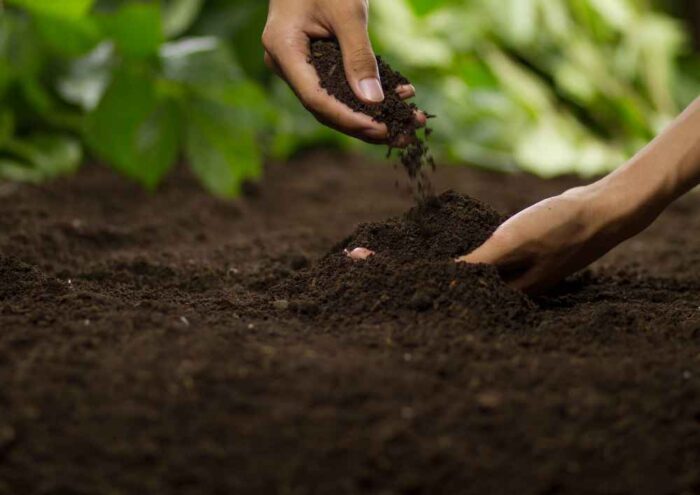
What is Ferti Soil and what does it contain?
Ferti Soil is a set of microorganisms that turns the soil into a biologically active and balanced system, where nutrients are released naturally and plants develop with greater vigor, reducing dependence on synthetic agrochemicals.
1.Mycorrhizal fungi (Glomus)
- Root exploration and longevity: The hyphal network extends the coverage of the root system, releasing glomalin, a glycoprotein that stabilizes soil aggregates, increases water retention, reduces erosion and promotes the accumulation of organic carbon.
- Mobilization of immobile nutrients: Optimizes the absorption and mobilization of Phosphorus (P), as well as elements with low mobility such as Zinc (Zn), Copper (Cu), Sulfur (S), Calcium (Ca) and Magnesium (Mg).
- Photosynthetic efficiency: Stimulates ATP synthesis, chlorophyll production and the overall photosynthetic rate, reflected in greater foliar biomass and higher-quality fruit.
2.Growth-promoting bacteria (Bacillus and Paenibacillus)
- High stability and longevity: These bacteria have the capacity to form endospores resistant to extreme conditions of solar radiation, drought and thermal fluctuations, ensuring a prolonged useful life in the soil.
- Solubilization and phytostimulation: They produce natural phytohormones (auxins, cytokinins and gibberellins) that stimulate the growth of secondary roots and root hairs.
- Biological control and protection: They generate natural antagonism and biosynthesis of siderophores that limit the development of soil phytopathogens such as Fusarium, Rhizoctonia, Sclerotinia, as well as larvae and nematodes.
Integration with organic biostimulants
To maximize the response of Ferti Soil, it is recommended to integrate it in a way that potentiates its effect with the following inputs:
Seaweed Extract
Seaweed provides osmoprotectants (betaines) and polysaccharides that complement the phytochemical stimulus of Bacillus bacteria. This combination accelerates plant recovery after episodes of drought or frost and triggers a growth peak in the root meristems recently colonized by the Glomus genus.
Amino Acid Compound
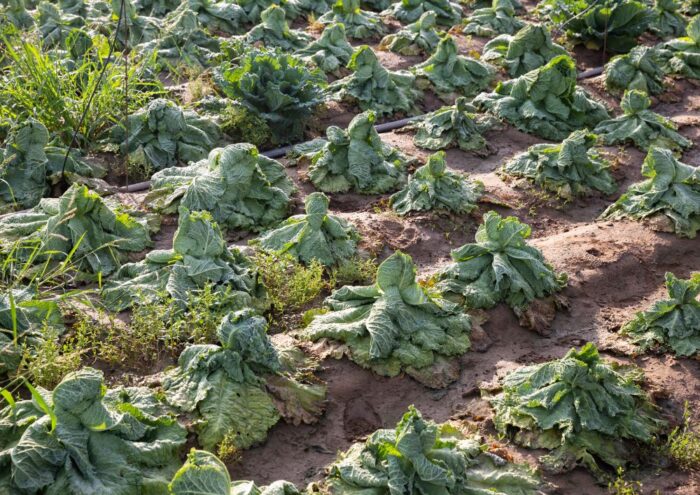
Amino acids serve as an immediate source of organic carbon and nitrogen. When incorporated together with Ferti Soil, they act as a fast-absorption metabolic fuel that accelerates the germination of bacterial endospores and the germination of mycorrhizal spores, minimizing post-transplant stress.
Humic and Fulvic Acids
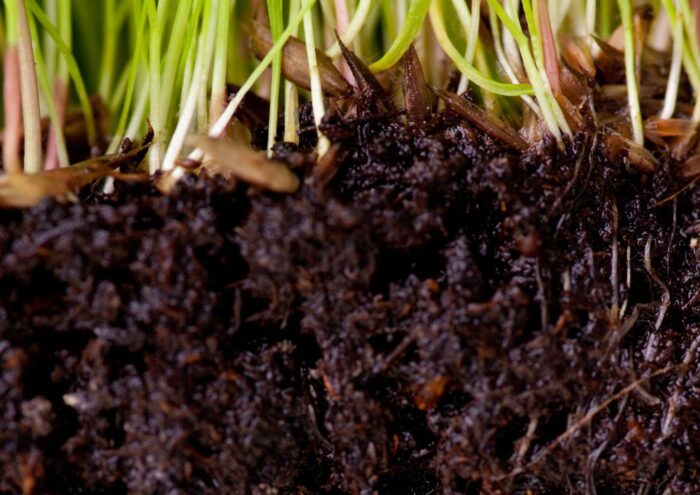
- Humic Acids: Restore the physical structure of the soil, reduce compaction and create the ideal physical habitat to maintain the moisture in which Paenibacillus and Glomus strains proliferate.
- Fulvic Acids: Act as low molecular weight biological chelators that bind to the nutrients solubilized by the Ferti Soil microbiota, accelerating their translocation to the plant’s vascular tissues.
To learn more about our fulvic and humic acids, please visit: https://www.ferti-organic.com/products
Recommendations and application tips
To ensure the effectiveness of the viable spores and bacteria contained in Ferti Soil, consider the following technical recommendations:
Medium conditions and timing of application:
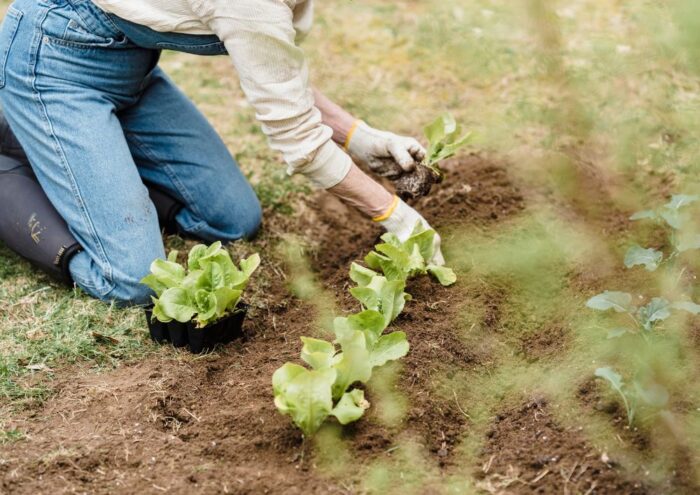
- Early inoculation: Preferably apply during soil preparation stages, at planting time, in seed treatment, or during the transplanting process.
- Moisture management: Make sure to apply on soils at field capacity. Constant moisture is essential for rapid root colonization.
Mixing and compatibility criteria:
Chemical incompatibility: Avoid tank mixing with chemical fungicides or bactericides of systemic action applied to the soil. Leave a minimum margin of 7 to 10 days between the application of the agrochemical and the inoculation of Ferti Soil.
Fertigation tank sequence: First dissolve the conditioners separately, such as humic or fulvic acids, then the amino acids, and finally incorporate Ferti Soil to avoid high osmotic pressures in the mixture.
Storage and protection:
Apply the product during the early morning hours or at dusk to protect the spores from prolonged direct solar radiation during incorporation.
Keep the container closed in a cool, dry and ventilated place.

In conclusion, the use of Ferti Soil represents a paradigm shift in agricultural nutrition: it moves away from the restrictive approach of fertilizing only the plant to focus on regenerating the life of the soil. Thanks to the coordinated action of its mycorrhizae and beneficial bacteria, farmers obtain crops with greater resistance to stress, deeply developed roots, and harvests of higher yield and commercial value, backed by the international standards of OMRI certification.
Agriculture can be more productive and sustainable at the same time. Visit our website and discover our range of products; find out which one best fits your needs: https://www.ferti-organic.com/



 (956) 574-8280
 info@ferti-organic.com