
In modern agriculture, the pressure exerted by phytopathogenic fungi represents one of the greatest challenges to productivity and sustainability. Traditionally, the response to these threats has been reactive in nature, through the intensive use of chemical synthetic fungicides. However, the emergence of resistant strains and the demands of international markets to reduce pesticide residues have driven a paradigm shift toward plant immunization and biostimulation.
Like human beings, plants possess a complex immune system capable of recognizing aggressors and activating physical and biochemical defenses. Nourishing and strengthening this system preventively through the use of biostimulants and natural extracts is today one of the most effective strategies for maintaining healthy and productive crops.
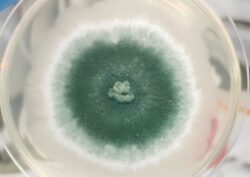
How does biostimulation prevent fungal diseases?
Plants do not have an adaptive immune system with antibodies like animals do, but they do have a highly effective innate immunity system. This is activated through two main mechanisms:
- Pattern-triggered immunity: The plant detects characteristic molecules of the fungus (such as chitin from its cell walls) through receptors on the cell membrane.
- Systemic Acquired Resistance and Induced Systemic Resistance: Interconnected hormonal signaling pathways that prepare the entire plant to respond more quickly and forcefully to an attack.
Biostimulation acts as preventive training for this system. Rather than directly attacking the fungus, biostimulant molecules function as early warning signals. When biostimulants are applied, the plant enters an alert state that allows it to reinforce its immune system beforehand: it accumulates phytoalexins (natural antimicrobials), thickens its cell walls through the deposition of lignin and suberin, and synthesizes defense enzymes such as glucanases and chitinases. When fungal spores attempt to spread and take hold in the plant, they encounter a host whose physical and chemical barriers are already activated, which drastically slows colonization and, consequently, disease development.
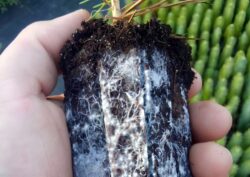
Preventive and bioprotective extracts: Neem and Karanja Oil
Within integrated fungal disease management, plant extracts stand out for their multiple modes of action, combining biostimulant effects with antifungal properties.
Neem Oil
Although widely known for its insecticidal properties due to azadirachtin, cold-pressed neem oil contains a rich mixture of limonoids, terpenoids, and fatty acids with a notable effect against phytopathogenic fungi.
- Mechanism: It inhibits spore germination as well as germ tube elongation in fungi such as downy mildew and powdery mildew.
- Effect on the plant: It creates a protective film on the leaf surface that hinders pathogen attachment and reduces water loss through transpiration.
Karanja Oil
Extracted from the seeds of Pongamia pinnata, karanja oil is rich in karanjin, a bioactive flavonoid with potent antifungal properties.
- Synergy with Neem: When applied together, neem and karanja produce a complementary action. Karanjin alters the permeability of the fungal cell membrane, while neem terpenoids interfere with its metabolic processes.
- Defense induction: These extracts trigger the production of phenolic compounds in the leaves, reinforcing the structural resistance of plant tissue.
To learn more about our organic products, please visit: https://fertichem.mx/productos-organicos
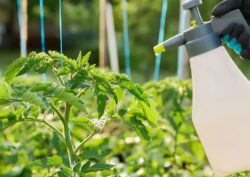
Key biostimulants and their contribution to plant immunity
Continuous activation of the immune system requires considerable energy expenditure. This is where biostimulants play a determining role, providing the energy, structural support, and biochemical resources needed to maintain active immunity without sacrificing crop yield.
Humic and Fulvic Acids
Humic compounds optimize soil and rhizosphere health, which directly translates into a stronger plant immune system.
- Humic Acid: Improves soil structure and promotes a dense, healthy root system. A strong, extensive root system is the first line of defense against vascular fungi such as Verticillium or Fusarium.
- Fulvic Acid: Due to its low molecular weight, it easily penetrates cell membranes and acts as a carrier for key micronutrients involved in the synthesis of antioxidant enzymes (such as zinc, manganese, and copper). It also stimulates the salicylic acid metabolic pathway, which is determinant in activating Systemic Acquired Resistance.
Amino Acid Compound
Free amino acids are the fundamental building blocks for constructing defense proteins and enzymes.
- Energy savings: In the event of a fungal attack, the plant needs to synthesize stress proteins immediately. Supplying amino acids saves the plant the metabolic cost of synthesizing them from scratch.
- Key precursors: Amino acids such as phenylalanine are direct precursors of phenolic compounds and lignin, essential for hardening cell walls against fungal penetration. Proline and glutamic acid reduce the oxidative stress generated by pathogen toxins.
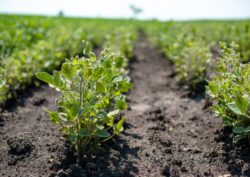
Seaweed Extract (Ascophyllum nodosum)
Seaweed that grows in extreme intertidal environments has developed a unique concentration of complex polysaccharides not found in terrestrial plants, such as laminarin, fucoidans, and alginates.
- Defense elicitation: Laminarin is recognized by plant cells as a fragment of fungal cell wall. This triggers a massive immune response (accumulation of phytoalexins and preventive stomatal closure) without an actual pathogen being present.
- Antioxidant effect: Its mannitols and osmoprotectants neutralize the reactive oxygen species that fungi use to degrade plant tissue during infection.
Mycorrhizae (Endo and Ecto Mycorrhizae)
The symbiosis between mycorrhizal fungi and plant roots induces a phenomenon known as Modulated Mycorrhizal Protection or Induced Systemic Resistance.
- Physical exclusion and competition: Mycorrhizal hyphae (both endo and ecto mycorrhizae) envelop or colonize the roots, occupying ecological niches and blocking physical access to soil-borne phytopathogenic fungi.
- Hormonal signaling: Mycorrhizal colonization modulates jasmonic acid and ethylene levels throughout the plant. This systemic signaling conditions the aerial part of the crop to react more quickly to fungal attacks on the foliage.
To learn more about our organic products, please visit: https://www.ferti-organic.com/products
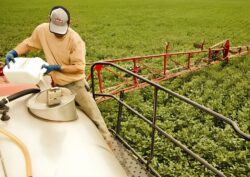
Field Integration Strategies
- Early Root Establishment: Inoculate mycorrhizae together with humic acids at the germination or transplanting stage to ensure a protected, colonized root system from the start.
- Periodic Foliar Applications: Carry out combined applications of seaweed extract, amino acids, and fulvic acids before periods of high relative humidity or sudden temperature changes, favorable moments for fungal sporulation.
- Surface Protection: Integrate neem and karanja oil into the rotation of coverage treatments, especially during stages of greatest sprouting and young tissue development.
In conclusion, strengthening crop immune systems does not seek to completely eradicate microorganisms from the environment, but rather to equip the plant with the biological and structural tools needed to coexist with them without suffering economic damage. The coordinated combination of biostimulants (humic compounds, amino acids, seaweed, and mycorrhizae) with bioprotective extracts such as neem and karanja constitutes the cornerstone of modern, resilient, residue-free agriculture.
Agriculture can be more productive and sustainable at the same time. Visit our website and explore our range of products; discover which one best fits your needs: https://www.ferti-organic.com/



 (956) 574-8280
 info@ferti-organic.com